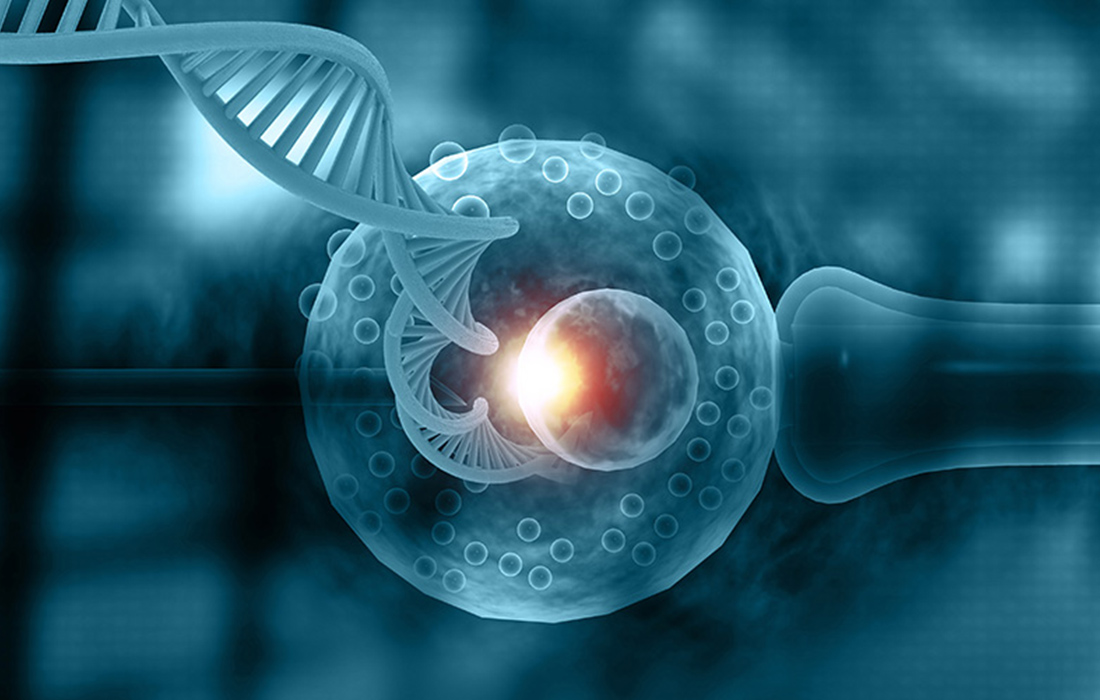



Preimplantation Genetic Diagnosis (PGD / PGT)
Preimplantation Genetic Diagnosis (PGD), often categorized under Preimplantation Genetic Testing (PGT), is an advanced reproductive technique used during IVF cycles to analyze the genetic profile of embryos prior to intrauterine transfer.
The primary objective of PGD is to identify embryos carrying specific single-gene mutations, monogenic conditions, or chromosomal aberrations. By selecting only unaffected and genetically balanced embryos, PGD prevents the transmission of severe hereditary diseases and maximizes the chances of a healthy, full-term pregnancy.
Clinical Indications and Conditions Screened
-
Chromosomal Aneuploidies: Numerical or structural variations such as Trisomy 21 (Down syndrome), Turner syndrome, Trisomy 18, and chromosomal translocations.
-
Monogenic / Single-Gene Disorders: Endemic hereditary hemoglobinopathies, particularly Beta-Thalassemia (Mediterranean Anemia) and Sickle Cell Anemia, alongside conditions like Cystic Fibrosis, Spinal Muscular Atrophy (SMA), and Hemophilia.
-
Known Genetic Carriers: Couples who carry autosomal recessive, dominant, or X-linked mutations with a risk of transmitting them to offspring.
-
Recurrent Pregnancy Loss & Repeated Implantation Failure: Identifying embryonic genetic competence to prevent recurrent miscarriages and failed IVF cycles.
The PGD Process
-
Trophectoderm Biopsy: When the embryo reaches the Day 5/6 blastocyst stage, a few cells are delicately sampled from the trophectoderm using a precision laser, preserving the inner cell mass (which forms the fetus).
-
Molecular Analysis: The biopsied cells undergo advanced genomic evaluation using Next-Generation Sequencing (NGS) or targeted molecular techniques.
-
Cryopreservation: Embryos are vitrified and safely stored while awaiting definitive genetic findings.
-
Targeted Transfer: Only verified genetically normal and healthy embryos are thawed and transferred to the prepared uterus.