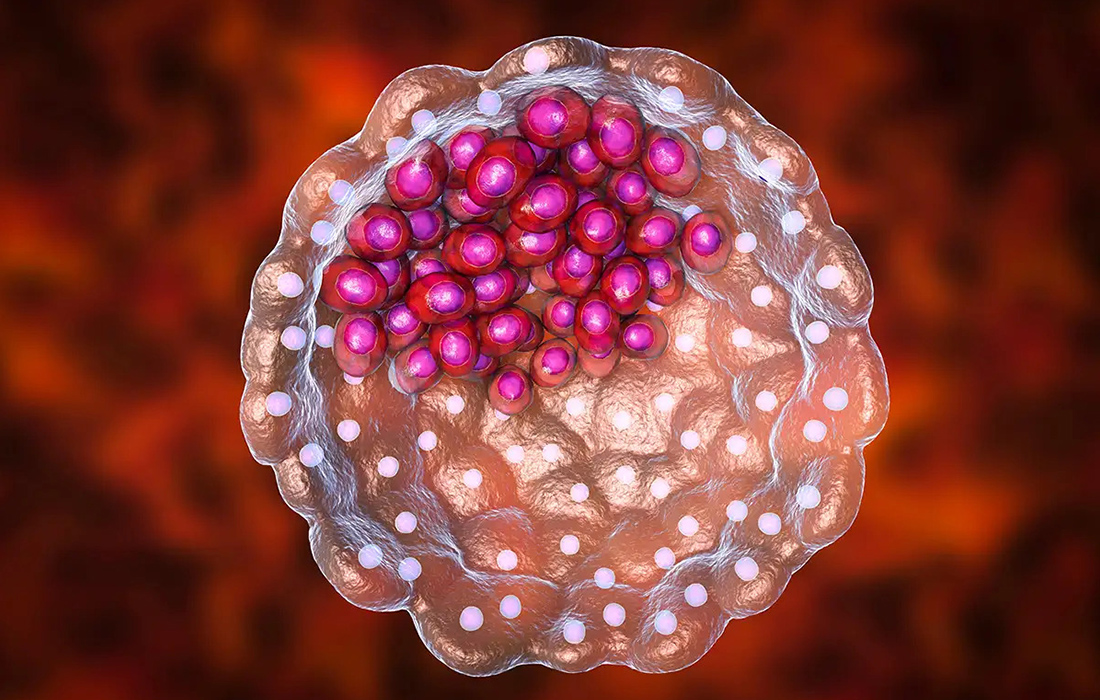



Blastocyst Transfer
Blastocyst transfer is an advanced assisted reproduction technique in which embryos created during IVF are cultured in the laboratory until Day 5 or 6, reaching the complex multicellular "blastocyst" stage before being transferred into the uterus.
In conventional IVF cycles, embryos are typically transferred on Day 2 or Day 3 (cleavage stage). Blastocyst transfer extends this culture period, allowing the embryology team to observe advanced development and cellular differentiation.
Key Advantages of Blastocyst Transfer
-
Natural Selection: Prolonged laboratory culture serves as a physiological filter. Only the most genetically viable and robust embryos reach the blastocyst stage, while weaker embryos arrest naturally.
-
Optimized Implantation Rates: In a natural pregnancy, an embryo enters the uterine cavity around Day 5. Transferring at the blastocyst stage closely replicates physiological synchronization between the embryo and the receptive endometrium, resulting in higher implantation rates.
-
Minimizing Multiple Pregnancy Risks: Because blastocysts have a significantly higher individual implantation potential, elective single embryo transfer (eSET) can be performed without compromising overall success, thereby eliminating risks associated with multiple pregnancies.
Clinical Decision
Not every patient is a candidate for extended culture to Day 5. The decision to proceed with blastocyst transfer depends on several factors, including the number of developing embryos, maternal age, ovarian reserve, and previous cycle histories. Each treatment protocol is customized by the fertility specialist to optimize success.