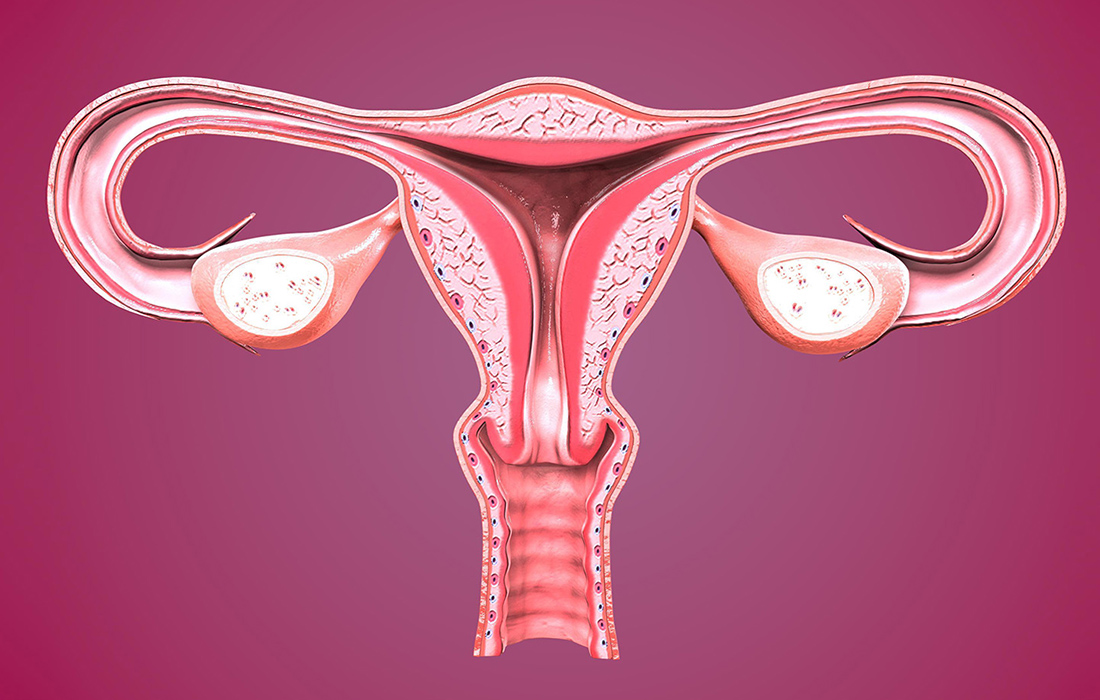



What is Endometrial Preparation?
Endometrial preparation is a specialized clinical protocol used in assisted reproductive technology (ART), primarily prior to Frozen Embryo Transfer (FET), to optimize the thickness, vascularity, and receptivity of the uterine lining (endometrium).
Successful pregnancy relies not only on embryonic viability but also on synchronous interaction between the embryo and a receptive endometrium. Creating the optimal endometrial environment ensures that the "window of implantation" aligns with the exact developmental stage of the transferring embryo.
Clinical Preparation Protocols
Depending on the patient's ovulatory status, hormonal baseline, and reproductive history, two primary pathways are deployed:
-
Artificial Cycle (Hormone Replacement Therapy - HRT): Exogenous estrogen (oral tablets, transdermal patches, or gels) is initiated during the early follicular phase to suppress spontaneous ovulation and promote endometrial proliferation. Serial transvaginal ultrasounds track the uterine stripe until it reaches ideal thickness (typically 7–10 mm) and a characteristic trilaminar ("triple-line") pattern. Progesterone is then introduced to replicate the luteal phase and fix the precise transfer date.
-
Natural Cycle FET: Suitable for women with regular, predictable ovulatory cycles. Endometrial thickening occurs endogenously via the body's natural follicular development. Ovulation is monitored via ultrasound and LH testing, with the transfer scheduled to match the embryonic developmental timeline post-ovulation.
Clinical Significance
Individual endometrial responses vary widely. Beyond absolute millimeter thickness, sub-endometrial blood flow and structural integrity are crucial markers of receptivity. In challenging scenarios such as persistently thin endometrium or recurrent implantation failure, individualized adjuvant therapies (e.g., endometrial PRP or adjusted luteal support) are integrated to achieve optimal implantation rates.