



Azoospermia and TESE
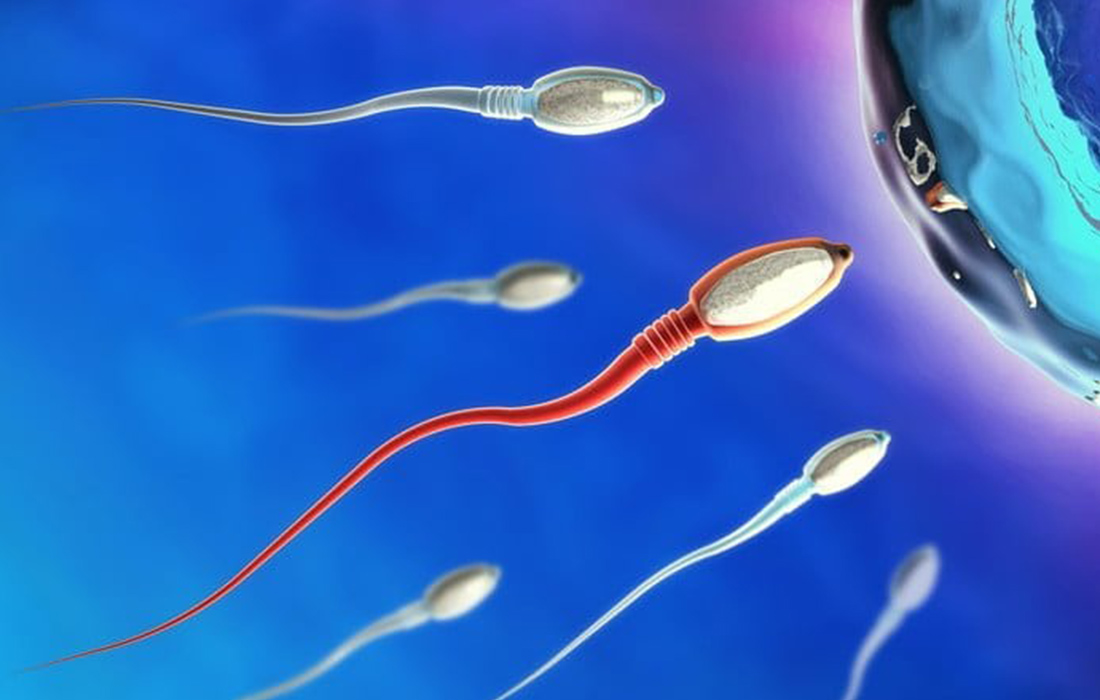
Azoospermia is defined as the complete absence of spermatozoa in the ejaculate after centrifugation and microscopic examination. As a significant factor in male infertility, azoospermia once precluded biological fatherhood; however, contemporary surgical sperm retrieval techniques and assisted reproduction make conception achievable.
Azoospermia is categorized into two distinct forms:
1. Obstructive Azoospermia (OA)
In obstructive azoospermia, testicular spermatogenesis (sperm production) is normal, but physical blockages or anatomical absences along the reproductive tract prevent sperm from entering the ejaculate. Causes include congenital bilateral absence of the vas deferens (CBAVD), previous infections, vasectomy, or trauma.
-
Treatment: Surgical sperm extraction is highly successful in these cases. Procedures such as TESA (Testicular Sperm Aspiration) or conventional TESE (Testicular Sperm Extraction) allow specialists to easily retrieve viable sperm cells directly from testicular tissue for use in intracytoplasmic sperm injection (ICSI).
2. Non-Obstructive Azoospermia (NOA)
In non-obstructive azoospermia, the issue stems from severely impaired or absent sperm production within the testicular tissue itself, without any physical ductal obstruction. Potential etiologies include chromosomal abnormalities (e.g., Klinefelter syndrome, Y-chromosome microdeletions), hormonal imbalances, cryptorchidism (undescended testicles), or prior gonadotoxic treatments.
-
Treatment: Underlying endocrine deficiencies are addressed pharmacologically where applicable. When surgical exploration is required, Micro-TESE (Microsurgical Testicular Sperm Extraction) is the gold standard. Under an operative microscope, surgeons selectively sample swollen seminiferous tubules that are most likely to harbor active spermatogenesis, maximizing sperm retrieval rates while minimizing damage to testicular vascularity.
Comprehensive Diagnostic Evaluation
A confirmed diagnosis requires repeating semen analyses along with complete endocrine profiling (FSH, LH, Testosterone), genetic testing, and scrotal imaging.
With specialized microsurgical interventions and advanced embryological ICSI protocols, couples facing azoospermia have realistic pathways to achieving successful biological pregnancies.