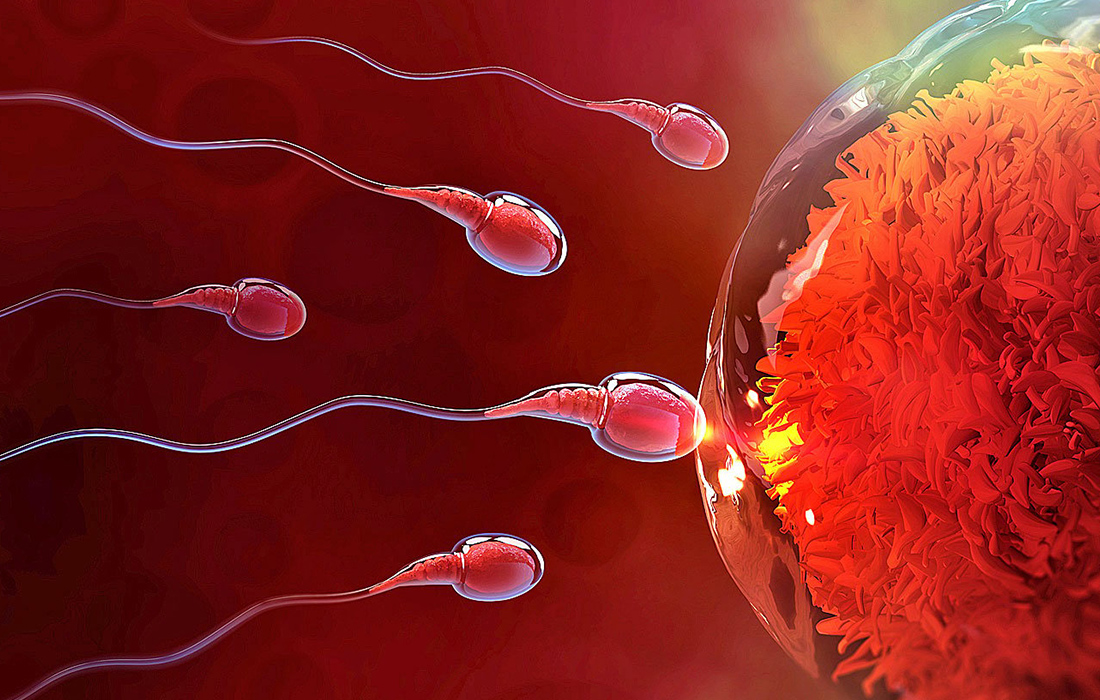



What is Sperm Preparation?
Sperm preparation refers to the specialized laboratory processing of a semen sample prior to Intrauterine Insemination (IUI), In Vitro Fertilization (IVF), or Intracytoplasmic Sperm Injection (ICSI). The objective is to isolate functionally competent, highly motile, and structurally intact spermatozoa for successful fertilization.
During natural conception, cervical mucus serves as a biological filter, allowing only optimal sperm to enter the upper reproductive tract. In the andrology laboratory, sperm preparation techniques replicate this physiological filtration by removing seminal plasma, cellular debris, immotile cells, and microorganisms.
Primary Objectives of Sperm Preparation
-
Isolating a concentrated population of progressively motile, morphologically normal spermatozoa.
-
Removing seminal prostaglandins, heavy metals, and bacteria that could cause severe uterine cramping or pelvic infection during intrauterine procedures.
-
Initiating in vitro sperm capacitation, enabling the spermatozoa to bind to and penetrate the oocyte.
Key Methodologies
-
Sperm Washing: The raw ejaculate is diluted with specialized culture media and subjected to gentle centrifugation, separating the cellular pellet from the seminal fluid.
-
Sperm Separation (Density Gradient & Swim-Up): Utilizing differences in cellular density or self-propulsion abilities to distinctively segregate high-vitality sperm from abnormal, dead, or immature cells.
-
Advanced Sperm Selection: Applying microfluidic sorting chips or high-magnification micromanipulation to isolate spermatozoa with minimal DNA fragmentation for microinjection.
Tailoring the preparation technique to the male partner's specific semen parameters significantly optimizes fertilization rates, embryo development, and overall clinical pregnancy outcomes.