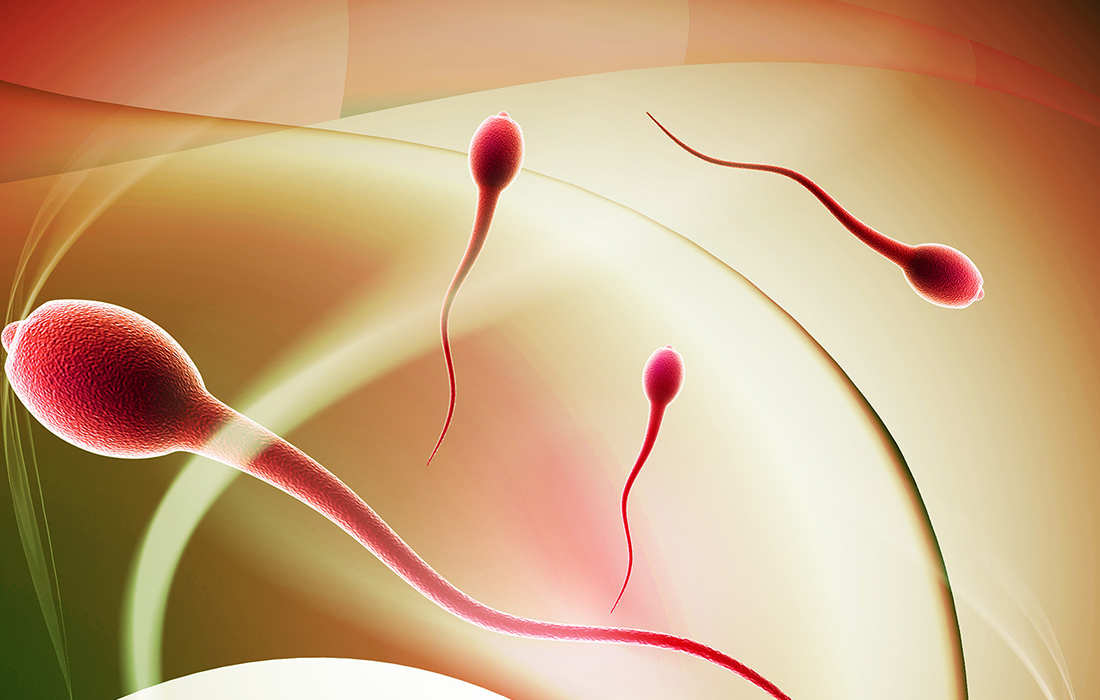



Sperm Retrieval and Selection Techniques
Sperm processing and selection methods are critical laboratory procedures designed to optimize reproductive outcomes in Intrauterine Insemination (IUI) and In Vitro Fertilization (IVF/ICSI). The primary objective is to separate viable, highly motile, and structurally intact spermatozoa from seminal fluid, cellular debris, immotile cells, and bacteria.
Depending on individual sperm parameters and clinical indications, various advanced techniques are employed:
1. Pre-IUI Sperm Washing
Prior to intrauterine insemination, the semen sample undergoes specialized washing to eliminate prostaglandins and bacteria that could trigger uterine contractions. The most motile spermatozoa are isolated and suspended in a physiological medium for precise intrauterine delivery.
2. Swim-Up Technique
The swim-up technique relies on the natural self-propulsion of healthy spermatozoa. Layered beneath or above an enriched culture medium, only the most motile and viable sperm swim upward against gravity into the clean culture layer, where they are collected for fertilization.
3. Density Gradient Centrifugation (DGC)
DGC separates cells based on their buoyant density. Semen is placed on top of layered silane-coated silica colloids of varying concentrations. Centrifugation drives morphologically normal, high-density spermatozoa to a soft pellet at the bottom of the tube, while abnormal, immature cells and debris are retained in the upper layers.
4. Microfluidic Sperm Sorting Chips
Microfluidic platforms provide a biomimetic sorting environment mimicking the micro-grooves of the female reproductive tract. This passive separation avoids centrifugal stress, sorting out spermatozoa with high DNA integrity and minimal reactive oxygen species (ROS) damage.
5. Surgical Sperm Retrieval (TESA, MESA, Micro-TESE)
In cases of severe azoospermia (absence of sperm in the ejaculate), surgical approaches are required:
-
TESA (Testicular Sperm Aspiration): Fine-needle extraction directly from testicular tissue.
-
MESA (Microsurgical Epididymal Sperm Aspiration): Surgical retrieval from the epididymis under operating magnification.
-
Micro-TESE: Microsurgical exploration of the seminiferous tubules to isolate localized active spermatogenesis.
6. PICSI (Physiological ICSI)
PICSI evaluates sperm maturity based on binding affinity to hyaluronic acid (HA), a natural component of the oocyte's extracellular coat. Only fully mature spermatozoa with intact genetic integrity bind to HA-coated culture dishes, allowing the embryologist to select biochemically competent cells for microinjection.