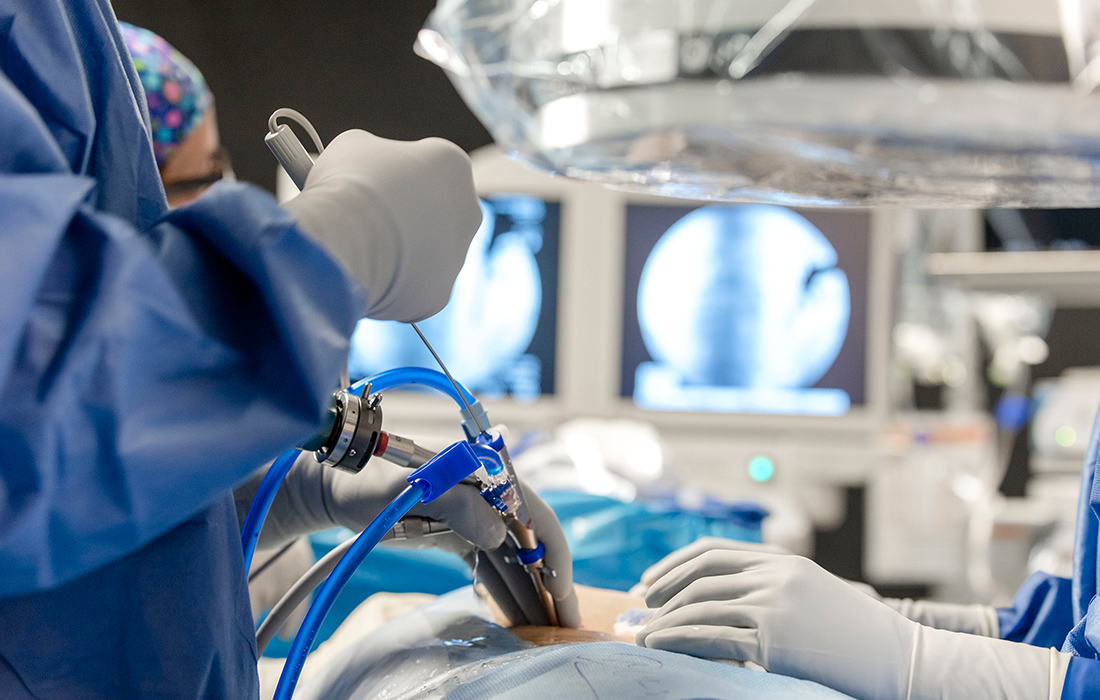



Gynecological Endoscopic Surgery
Gynecological endoscopic surgery represents a modern, minimally invasive approach to diagnosing and treating disorders of the female reproductive system. Compared to conventional open laparotomy, endoscopic techniques offer faster recovery, significantly less postoperative pain, reduced scarring, and minimal complication rates.
These procedures are performed using high-definition fiber-optic cameras and delicate micro-instruments. The two primary modalities include:
-
Laparoscopy: Accessing the abdominal and pelvic cavities through small incisions (typically 0.5–1 cm) to treat ovarian, uterine, and tubal pathologies.
-
Hysteroscopy: Inserting an illuminated optical instrument through the natural cervical canal into the uterine cavity without any abdominal incisions.
Key Advantages of Endoscopic Surgery
-
Minimally Invasive: Smaller incisions result in reduced tissue trauma, negligible blood loss, and minimal postoperative discomfort.
-
Short Hospital Stays: Most patients are treated as outpatients or discharged within 24 hours, returning rapidly to work and routine daily activities.
-
Lower Risk of Complications: Greatly minimizes risks of wound infections, incisional hernias, and postoperative adhesions.
-
Enhanced Surgical Visualization: Magnified optics allow precise anatomical assessment and micro-dissection, safeguarding delicate reproductive structures and ovarian reserve.
Clinical Applications
-
Uterine Fibroids (Myomectomy): Removal or management of intramural, subserosal, or submucosal fibroids via laparoscopy or hysteroscopy.
-
Endometriosis & Ovarian Cysts: Precise excision of endometriotic lesions and endometriomas (chocolate cysts) to restore fertility and resolve chronic pelvic pain.
-
Tubal Surgeries: Reconstructive procedures for occluded fallopian tubes, tubal reversal, or surgical sterilization.
-
Intrauterine Abnormalities: Resection of endometrial polyps, division of uterine septa, and adhesiolysis (Asherman’s syndrome) via hysteroscopy.
-
Ectopic Pregnancy: Organ-preserving surgical management of tubal pregnancies.
When conducted by experienced surgeons with advanced technical capabilities, gynecological endoscopy delivers optimal outcomes while preserving long-term reproductive health.